
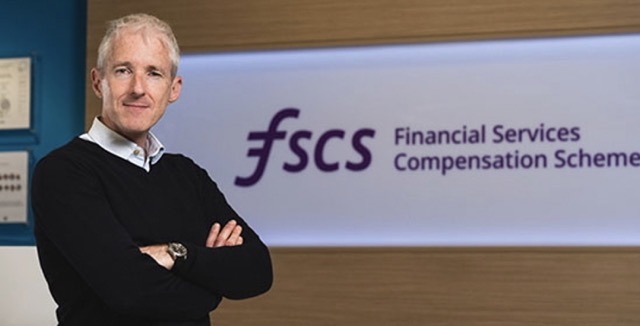
The Financial Services Compensation Scheme is expecting a £9.5m fall in the cost of claims in its current financial year due to an overall reduction in the number of complaints.
In its Budget plans for 2026/27, the industry-funded safety net said that its predicted costs would fall due to a reduction in claim volumes, savings from recent internal investments and a focus on efficiency.
The FSCS said that it anticipated a fall in Section 27 ‘bulk processed’ claims against SIPP operators. Section 27 claims related to complaints following the Adams v Options court case which ruled on whether investments moved into some SIPPs came with investment advice.
However, while Section 27 claims are expected to fall the FSCS is expecting a rise in more complex SIPP claims.
In an update this week, the FSCS confirmed that its 2025/26 budget remains more or less unchanged with management expenses for 2026/27 expected to be £108m. This includes £97m in core costs, a 6% reduction on the previous year, plus an additional £11m to enhance FSCS’s existing revolving credit facility (RCF).
The FSCS’s total budget for 2026/27 remains in line with inflation, it said.
The Prudential Regulation Authority (PRA) and the Financial Conduct Authority (FCA) are consulting on an overall 2026/27 FSCS Management Expenses Levy Limit of £113m, which represents an inflationary only increase on 2025/26 of £4.4m, the FSCS said. It also includes an unlevied contingency reserve of £5m, which is unchanged from 2025/26.
In terms of the industry levy imposed on regulated firms to provide the industry safety net when firms fail, in its November Outlook, the FSCS said that the levy is expected to be unchanged at £356m in 2025/26 and the initial forecast for the 2026/27 levy is predicted to be lower at £342m.
FSCS CEO Martyn Beauchamp said: “As a responsible steward of levy payer funds, we’re committed to delivering savings wherever possible.
“By driving operational efficiencies, we’ve absorbed much of the stated rise in management expenses, keeping the proposed 2026/27 budget aligned with inflation. Excluding the additional RCF costs, our budget is down 6% on 2025/26, and 11% in real terms.”