
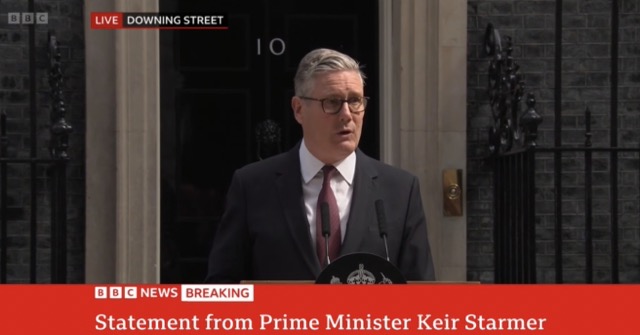
Keir Starmer has today resigned as Prime Minister and leader of the Labour Party paving the way for a leadership election over the summer, with new MP Andy Burnhan expected to replace him before parliament returns in September.
Until Mr Burnham sets out his plans, investors and markets will face uncertainty about the UK’s future economic strategy.
With an orderly transition expected to take place, the impact on markets could be minimal in the short term, but investors will remain in some turmoil until certainty returns, according to industry experts.
Charlotte Kennedy, Chartered Financial Planner at Rathbones, said: “A departing Prime Minister rarely changes your finances overnight, but political upheaval can create uncertainty that affects markets, confidence and expectations.
“While Andy Burnham appears to be in pole position to take the helm, whoever ultimately takes power will inherit the same difficult fiscal backdrop and quickly discover there are no easy wins. Sluggish growth, stretched public services and strained public finances mean difficult choices have been deferred, not avoided.”
She said investors, businesses and households will be looking for signs of how the government intends to balance growth ambitions with the realities of the public finances.
“The key questions are likely to centre on taxation, pensions, ISAs, public spending, inflation and the future path of interest rates, she said.”
Ms Kennedy said that “until there is clarity from a new Prime Minister and Chancellor, households, businesses and investors are left guessing about the direction of travel. The longer the wait for firm policy signals, the longer uncertainty is likely to hang over financial prospects.”
Richard Carter, head of fixed interest research at Quilter Cheviot, said: “Markets are wary of Burnham’s previous policy positions so they would prefer to see ideas for governing fleshed out via a leadership contest, keeping surprises to a minimum.”
He said there were “difficult decisions” around welfare and defence spending lurking, with each likely to have an impact on gilts and wider UK markets.
Mr Carter added: “For now, given the economic team Burham has been putting in place, alongside the fact he does not appear to be seeking a new mandate, we are probably going to see more of a continuation of the current direction from the government.”
Susannah Streeter, chief investment strategist at Wealth Club, said: “If the former Mayor of Manchester is given an easy path to Number 10, Britain will have had seven Prime Ministers in roughly a decade. This level of political churn is making investors increasingly nervous about the consistency of economic policy and the challenges ahead.”