
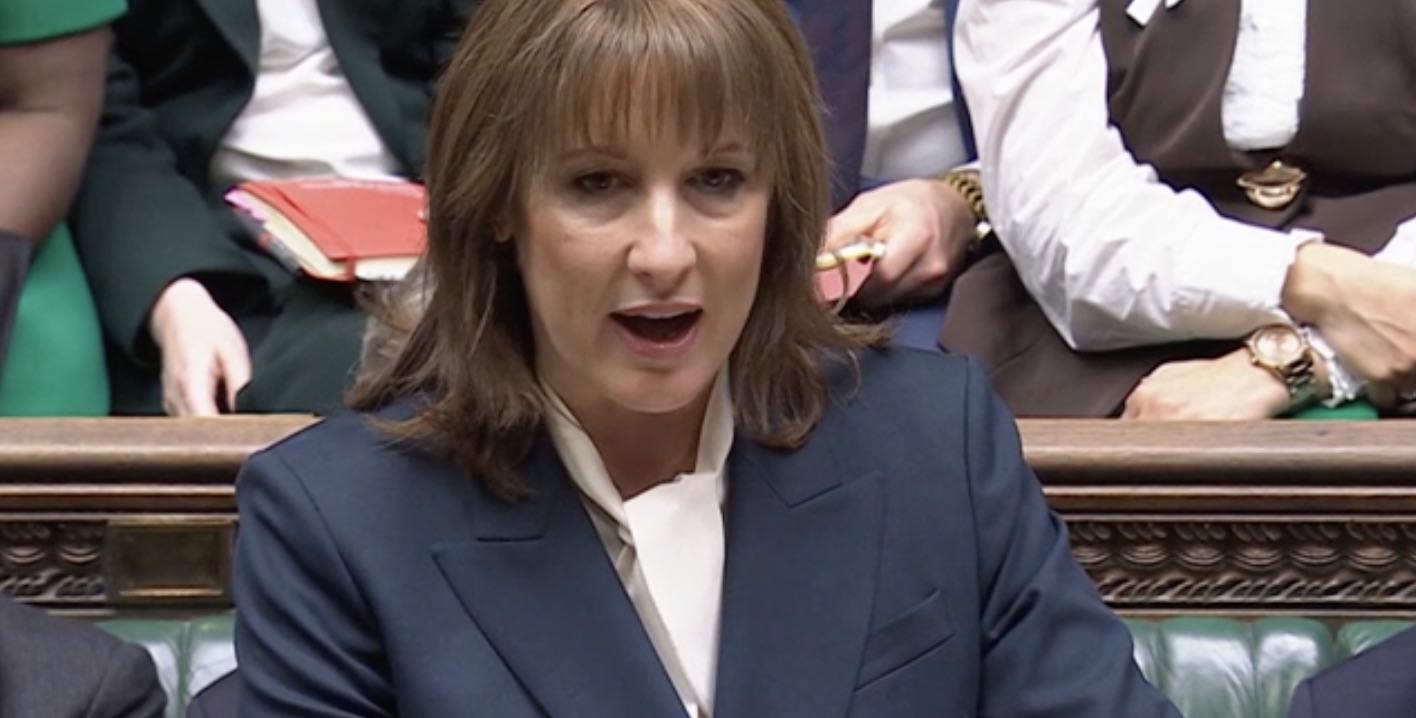
Chancellor Rachel Reeves may be planning to tax interest on cash held in stocks and shares ISAs, according to newspaper reports.
The change could take place as early as next April 2027, the Daily Telegraph has reported.
The threatened tax change comes alongside the already announced cut in the tax-free cash ISA limit from £20,000 a year to £12,000 for under-65s, the reports say.
Interest on cash in stocks and shares ISAs would be set at 22% to match the savings interest tax rate due to take effect in April 2027, it is suggested.
The Treasury has been approached for comment.
The number of people paying tax on savings interest has risen sharply in recent years, increasing from 1.2m in 2022-23 to a forecast 2.8m by 2026-27.
In last Autumn’s Budget, Rachel Reeves announced that the amount of cash savings under-65s can put into cash ISAs will be cut from £20,000 to £12,000 from April 2027, with the rest of the £20,000 allowance reserved for investments.
People aged over 65 will retain a £20,000 cash allowance under the change.
The new rules only affect new money being invested in ISAs, from 6 April 2027, not existing savings.
At the time Andrew Tully, technical services director at Nucleus, warned: “We’re in danger that ISAs are becoming too difficult and complex for people to understand and, perhaps more importantly, many of the restrictions caused by having multiple different variants puts barriers in the way of customers and the ability for them to simply and easily move from one type of saving to another as their experience develops.”
Claire Exley, head of financial advice and guidance at JP Morgan Personal Investing, said: “Part of the appeal of the ISA regime when it launched was its simplicity. If there is to be success for consumers in using both cash and investment ISAs to meet their financial needs, the government and industry must ensure no unnecessary friction or complexity for people trying to save or invest for their future.”
Following the Budget, HMRC confirmed in a newsletter that "cash-like" investments held in stocks and shares ISAs would face restrictions.
That would hit holdings such as money market funds, which offer marginally better returns than cash with minimal risk and are often used by investors waiting to buy shares, funds or other investments.
Cash ISAs had a record year in 2025, with £57bn of money paid into the accounts, according to Bank of England Money and Credit figures.
December saw £5.2bn paid into cash ISAs – a record for a non-tax year end month. The high inflows were prompted by Budget rumours and the decision to cut the cash ISA allowance from April 2027.
Financial Planning Today Analysis: The threat to tax cash held in stocks and shares ISAs remains conjecture at this stage, but a concerning one. Would it mean that investors would pay tax the minute they add cash to their ISAs, even on day one? Would ISA holders face a labyrinthine tax system whenever they cash in investments, despite planning to invest the money elsewhere within their ISA, as many do? Would the move hit the popularity and simplicity of investment ISAs for the long term and have an adverse effect of the one intended - deterring people from investing in ISAs. These are some of the questions that need to be answered. It will be down to the ISA providers and investment trade bodies to fight their corner is this plan moves ahead. It will seem, however, to many that undermining ISAs at a time when the Chancellor wants to promote investing seems a perverse thing to do. ISAs would also lost their coveted tax free status which makes them markedly less attractive.