
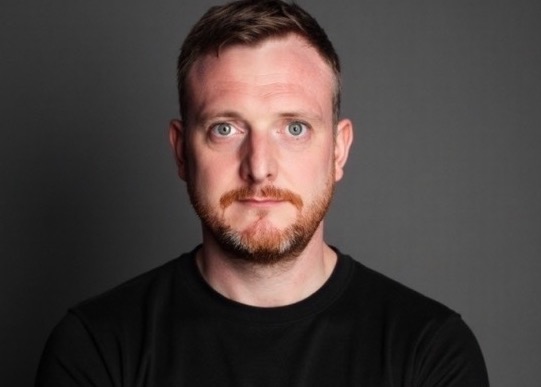
The FCA’s Mills Review is asking the right questions about AI – that is questions about agentic systems, algorithmic bias and market concentration but for those of us on the frontline of Financial Planning, there’s a more immediate problem that risks getting lost in the debate about 2030, writes Aventur CEO Stacey Body.
Right now, 8.6 million UK adults need financial advice and aren’t getting it.
They are making complex, often irreversible decisions - about pensions, protection, savings and debt - without meaningful support. It’s a structural failure. Adviser numbers are falling, the average adviser age is rising, and face-to-face advice has drifted upmarket.
The economics don’t stack up for anyone outside the affluent minority.
This is the context in which AI is arriving and why the Mills Review matters so much to practitioners.
Done well, AI can finally deliver what Financial Planning has always promised: holistic, ongoing, personalised guidance - not just for the wealthy, but for everyone.
Industry responses to the Mills Review point to AI becoming an “operating layer” capable of analysing a consumer’s full financial picture, recommending actions and increasingly executing them. In theory, that’s exactly what the advice gap demands.
However, here’s the problem. Consumers are already turning to AI tools for financial guidance, and many can’t distinguish between a regulated recommendation and an AI-generated one.
Trust in these tools is growing, even where outputs are incomplete or simply wrong. Meanwhile, financial literacy remains stubbornly low. Large parts of the population can’t assess whether a recommendation is appropriate, or even recognise when a decision will have lasting consequences.
We are expanding access to information far faster than we are building the capacity to use it safely. Without intervention, we risk swapping one form of exclusion for another: from no advice to unaccountable advice.
This is where the regulatory perimeter becomes critical. AI systems can already deliver personalised recommendations, portfolio suggestions and execution while sitting entirely outside the regulatory framework.
When a regulated adviser acts, there are responsibilities, safeguards and routes to redress. When AI does the same outside the perimeter, those protections may not exist, yet the consumer experience can feel identical.
The answer is not to limit AI’s role. If we are ever going to close the advice gap, we need it.
But deployment must happen within a framework that preserves trust. That means explainability; consumers need to understand why a recommendation has been made. It means clear governance - someone must be accountable for outcomes. And it means consistent standards: AI-driven planning should be held to the same bar as traditional advice.
The foundations are there. The Consumer Duty and the UK’s outcomes-based approach are well suited to a world where planning is delivered by a combination of human and machine but only if they are applied robustly to AI as well as advisers.
The Mills Review is right to think long-term. Yet millions of people are making retirement, debt and savings decisions today without support.
If we build AI with explainability, accountability and proper oversight, we can finally extend real planning to those who have never had access. If we don’t, we risk scaling something that offers the appearance of Financial Planning without the protections that make it worth having.
That would be a step backwards. Surely our clients - the ones still waiting for advice - deserve better than that.
Stacey Body is the co-founder and CEO at Aventur, a London-based Financial Planning firm using a digital first approach. Aventur has 3,000 clients and £220m min assets under influence.